
Buldhana · 1D/0N · Easy
Lonar Crater Exploration
Overview
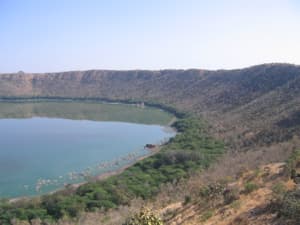
Lonar Crater is one of the planet's only known hyper-velocity meteorite impact craters formed in basalt rock — a 50,000-year-old bowl in the Buldhana district holding a lake that is both saline and alkaline at the same time. The crater rim is lined with centuries-old temples (Daitya Sudan, Gomukh, and a partially submerged Shiva temple), and the shoreline draws flamingos and other migratory birds in winter. This is a geologist's, birder's and photographer's dream rolled into one. We run it as a comfortable overnight-drive circuit from Mumbai: arrive fresh, walk the forested crater wall down to the shoreline, circle the lake, and climb back up the rim before the heat peaks.
Lonar sits on the Deccan Plateau, and the crater's unique geology — a mix of basalt rock, breccia and a salt-water lake with a pH around 10.5 — supports microbial life found nowhere else on Earth. The lakeside is ringed by a dense forest of acacia, tamarind and jamun that shelters monkeys, peacocks and over 60 species of birds. Around the rim, the Daitya Sudan and Gomukh temples are fine examples of late Chalukya architecture, and local legend ties the crater's creation to the demon Lonasura, slain here by Vishnu in his Varaha avatar. Whether you come for the science, the birds or the stories, the crater rewards a slow walk from sunrise until the afternoon heat sets in.
Based in Buldhana, this easy 1-day trek is best attempted during October, November, December, January, February, March — when the trail and surroundings are at their most rewarding.
1 Day
Duration
470m
Max Altitude
Easy
Difficulty
October – March
Best Season
Pricing
Starting from ₹3,499 per person. Prices vary by departure city.
Departure City
Departure Dates
Cancellation policy: Cancellation & Refund Policy
By booking this trip you agree to our Terms & Conditions
Day-wise Itinerary
Trip Highlights
- ✓Lonar Crater — a 50,000-year-old meteorite impact crater, one of only a few on Earth
- ✓Saline + alkaline lake unlike any other in India
- ✓Ancient crater-rim temples (Daitya Sudan, Gomukh)
- ✓Winter flamingos and migratory birds
- ✓Geological formation visible in the crater wall strata
Gallery
Inclusions & Exclusions
Inclusions
- ✓Round-trip transport from Mumbai (non ac train tickets)
- ✓All local transfers
- ✓Experienced local guide with geological interpretation
- ✓Breakfast and one major meal
- ✓Forest/temple entry fees
Exclusions
- ✕Personal expenses and snacks
- ✕Camera/photography charges (if any)
- ✕Anything not mentioned in inclusions
Things to Carry
FAQs
What makes Lonar Crater Lake scientifically significant?
Lonar is one of only a handful of hyper-velocity meteorite impact craters formed in basalt rock on Earth, created about 50,000 years ago when a meteorite travelling at approximately 90,000 km/h hit the Deccan Plateau. The lake inside is both saline and alkaline (pH ~10.5), which gives it a unique blue-green colour and supports only certain hardy microbial life.
How difficult is the trek down to the lake?
The descent is easy-to-moderate — about 1.5 km on a well-defined dirt trail with some loose gravel sections. The climb back up in the heat is the challenging part. You should be reasonably fit and carry at least 2 litres of water. We pace the walk with breaks.
Are the ancient temples around the crater still active?
Some are: the Daitya Sudan temple (dedicated to Vishnu) is periodically active, while the Gomukh temple and the partially submerged Shiva temple are more archaeological sites than working shrines. A local guide explains the history and mythology at each stop.
What is included in the trip price?
The ₹3,499 covers round-trip transport from Mumbai in a shared AC vehicle, an experienced guide, breakfast and one major meal, and all forest and temple entry fees. Accommodation is not included as this is an overnight-drive circuit (you arrive fresh in the morning and return the same night).
Will I see flamingos at Lonar?
Flamingos are regular winter visitors (November to February), along with several species of migratory ducks and waders. Sightings depend on the season and current water levels — the lake's unique ecology attracts birds, but no specific species is guaranteed on any given visit.
Cancellation policy: Cancellation & Refund Policy
By booking this trip you agree to our Terms & Conditions
More Buldhana trips
Pair your Lonar Crater Exploration with these Buldhana companions.
 Difficult
Nashik · 2D/1N
Next departure · 3 Oct 2026
Salher Salota Range TrekTrek the highest fort in Maharashtra — the Salher–Salota twin forts in the Nashik Sahyadris, with a night of camping at the top and views into Gujarat.
Starting from
₹2,499
 Moderate
Maharashtra · 2D/1N
Next departure · 3 Oct 2026
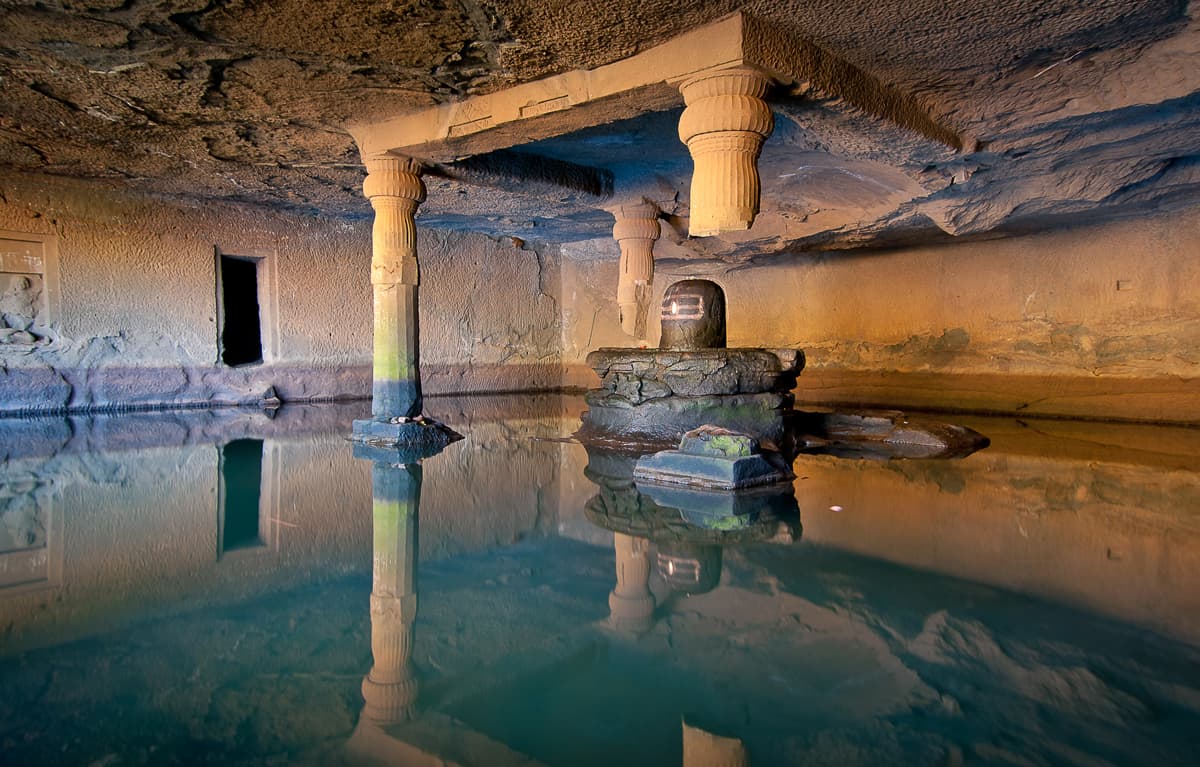
Harishchandragad TrekThe Harishchandragad Trek from Mumbai — ancient caves with carved figures of Lord Vishnu and the Saptamatrikas (6th century AD), rock-cut cisterns that never run dry, and a stunning sunrise over the Ajoba and Kulang peaks.
Starting from
₹2,499
 Easy
EasyMaharashtra · 2D/1N
Next departure · 21 Nov 2026
Bhandardara Weekend TripThe Bhandardara Weekend Trip from Mumbai is a lakeside escape with night stargazing under minimal light pollution, plus optional Kalsubai Peak or Ratangad Fort treks for adventure seekers.
Starting from
₹2,999
You might also like
 Easy
EasyKasara · 2D/1N
Next departure · 27 Dec 2027
Kids Winter Camp Near MumbaiA cosy kids winter camp near Mumbai — forest trails, campfire stories, stargazing and fun games for children aged 6–14 in the Sahyadris.
Starting from
₹3,799
 Moderate
Panvel · 2D/1N
Next departure · 30 Jan 2027
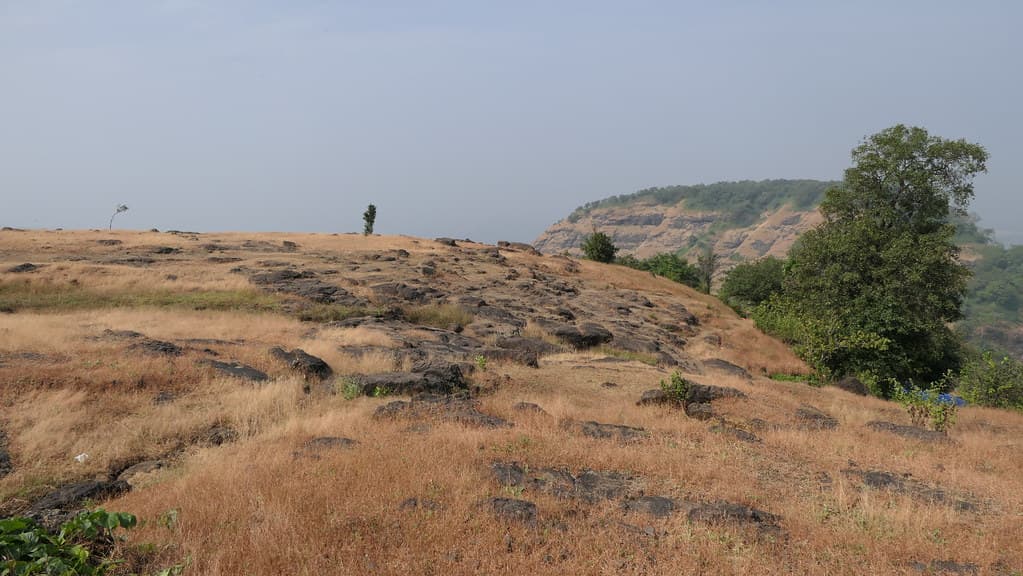
Prabalmachi Trek and CampingPrabalmachi trek and camping — trek up to the Prabalmachi plateau with dramatic views of Kalavantin Durg and Prabalgad, then camp under the stars on the mountain.
Starting from
₹2,299
 Moderate
Maharashtra · 1D/0N
Next departure · 1 Nov 2026
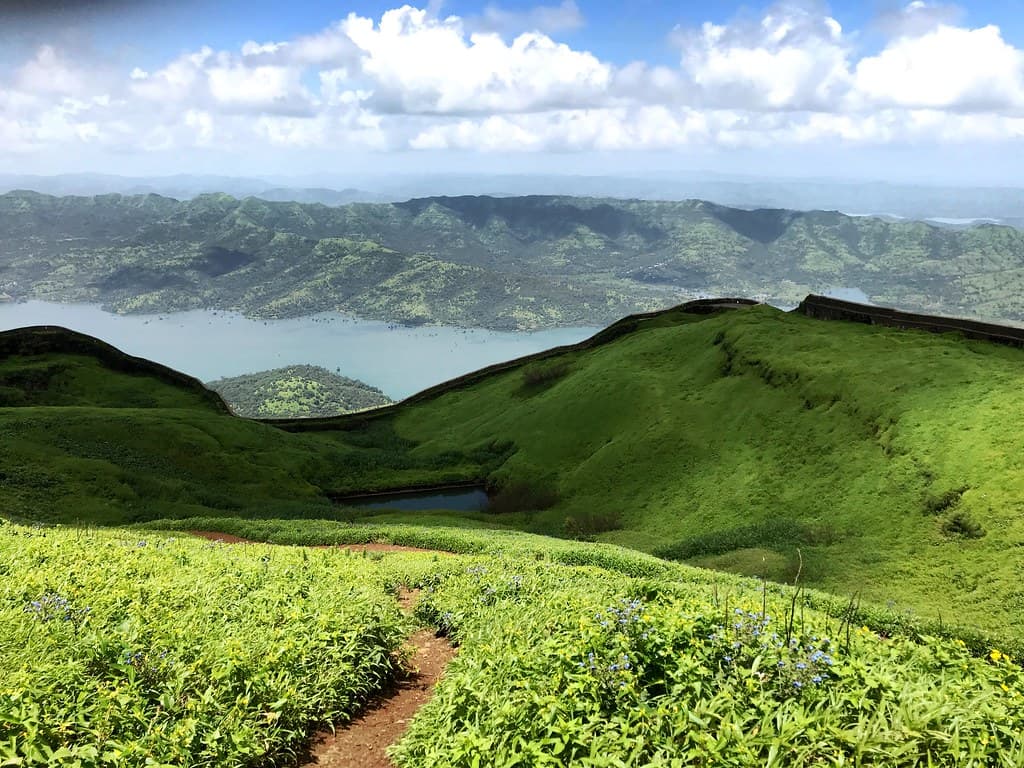
Torna Fort TrekTorna Fort Trek from Mumbai — conquer Pune's highest fort at 1,403 m, the very first won by Shivaji Maharaj in 1646, with a massive plateau of bastions, temples, and water reservoirs.
Starting from
₹1,999