
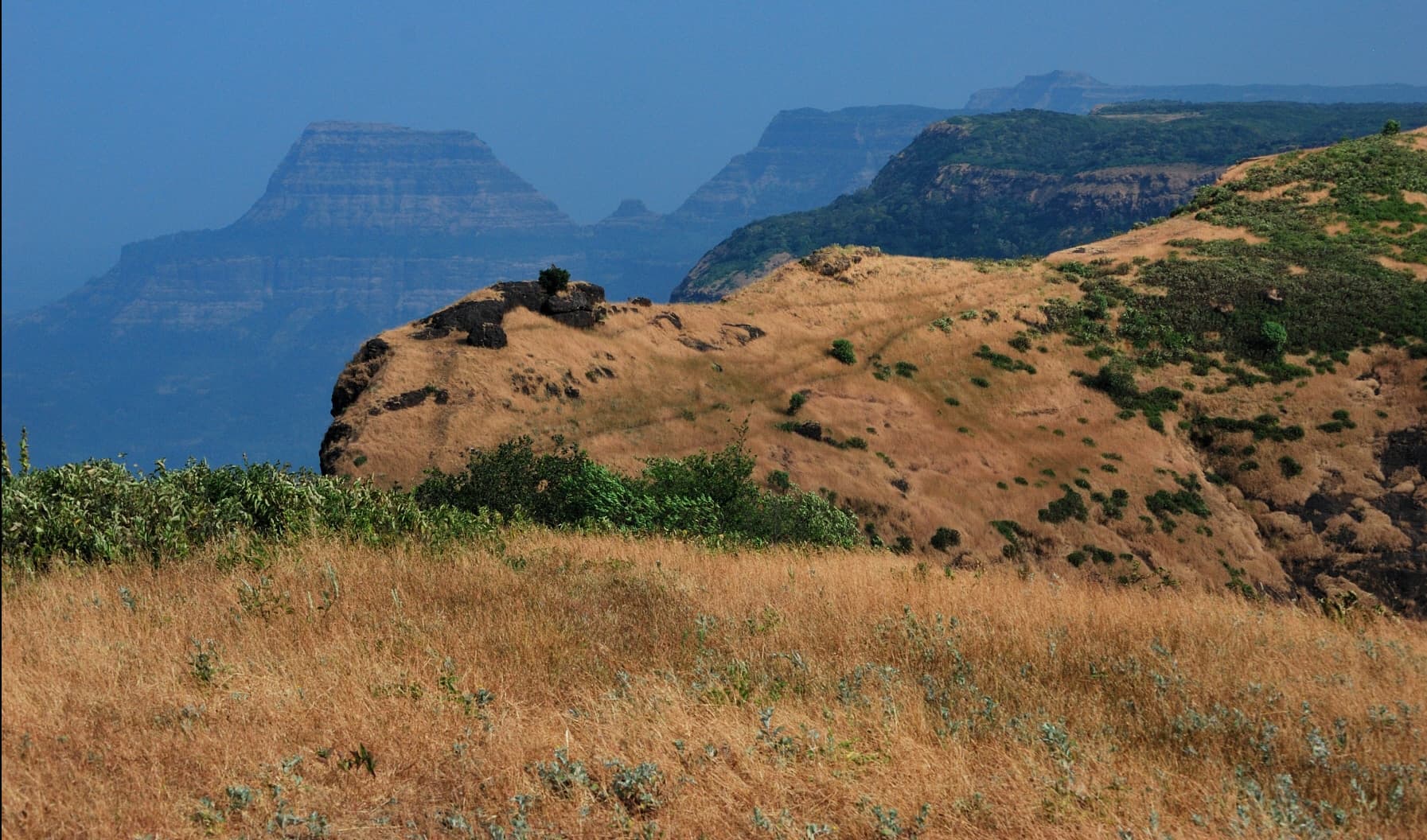
Maharashtra · 1D/0N · Moderate
Bhimashankar Jyotirlinga Trek
Overview
The Bhimashankar Jyotirlinga Trek from Mumbai leads to one of the twelve Jyotirlingas in India and one of only a handful that you still reach on foot through a forest — the temple sits inside the Bhimashankar Wildlife Sanctuary in the Sahyadri range, and two main trekking routes (from Khandas and from Ghatgaon) approach it through dense forest that hosts giant squirrels, leopards, and a remarkable variety of birds. This trip combines the spiritual significance of the Jyotirlinga pilgrimage with a genuine forest trek, walking under a canopy of ancient trees with the sound of the Bhima river (originating here) accompanying you for part of the way. The monsoon months transform the forest into a brilliant green tunnel with waterfalls cascading down the hillsides.
The Khandas route used on this Bhimashankar Jyotirlinga Trek is a moderate 4 km forest trail with a total ascent of about 350 metres — more demanding than typical fort treks, but achievable for trekkers with reasonable fitness. The temple complex is deeply revered, and arriving early rewards you with a calmer darshan and the best chance of spotting the Indian giant squirrel, locally called 'Shekru', in the forest canopy around the sanctuary paths. This Bhimashankar Jyotirlinga Trek from Mumbai is offered at ₹1499 per person through Mumbai Weekenders, with an experienced trek leader, first-aid kit, and sanctuary entry and temple fees all included. Departures run from July to January, when the forest is at its greenest and the trail is lined with waterfalls and streams.
Based in Maharashtra, this moderate 1-day trek is best attempted during July, August, September, October, November, December, January — when the trail and surroundings are at their most rewarding.
1 Day
Duration
3,250 ft
Max Altitude
Moderate
Difficulty
July – January
Best Season
Pricing
Starting from ₹1,499 per person. Prices vary by departure city.
Departure City
Departure Dates
Cancellation policy: Cancellation & Refund Policy
By booking this trip you agree to our Terms & Conditions
Day-wise Itinerary
Trip Highlights
- ✓Visit to one of the twelve Jyotirlingas
- ✓Forest trek through Bhimashankar Wildlife Sanctuary
- ✓Spotting the Indian giant squirrel (locally called 'Shekru')
- ✓Monsoon waterfalls and streams along the trail
- ✓The Bhima river originating from the temple tank
Gallery
Inclusions & Exclusions
Inclusions
- ✓Experienced trek leader
- ✓First-aid kit
- ✓Sanctuary entry and temple fees
Exclusions
- ✕Transport to/from Khandas village
- ✕Meals
- ✕Personal expenses
Things to Carry
FAQs
Is the Bhimashankar temple open for darshan during the trek?
Yes, the temple is open throughout the day. However, the queue for darshan can be long on weekends and during Shravan month (August). We schedule the arrival to minimise wait times. The temple closes briefly during afternoon aarti (usually 12:30-1:30 PM).
Which route does the Bhimashankar Jyotirlinga Trek from Mumbai take?
We typically use the Khandas village route — about 4 km one way through the Bhimashankar Wildlife Sanctuary. It is a moderate gradient through dense forest with excellent birdlife and giant squirrel spotting opportunities. The Ghatgaon route is alternate and slightly longer.
Can I see the Indian giant squirrel here?
Bhimashankar Sanctuary is one of the best places in Maharashtra to spot the Indian giant squirrel ('Shekru'), with its distinctive two-tone (black and orange) colouring. Sightings are best in the early morning hours when the squirrels are most active. They are high in the canopy, so look up and listen for their calls.
Is the trek suitable for beginners?
The Khandas route is moderate — the trail has some steep sections and the total ascent is about 350 metres. Beginner trekkers with reasonable fitness will manage, but it is more challenging than fort treks like Lohagad or Karnala. Take breaks as needed.
What is the best time for this trek?
July to January is best. Monsoon (July-September) transforms the forest into a green tunnel with waterfalls along the trail — magical but slippery. Post-monsoon (October-January) offers clearer trails and easier spotting of giant squirrels and birds.
Cancellation policy: Cancellation & Refund Policy
By booking this trip you agree to our Terms & Conditions
More Maharashtra trips
Pair your Bhimashankar Jyotirlinga Trek with these Maharashtra companions.
 Moderate
Maharashtra · 2D/1N
Next departure · 11 Sept 2026
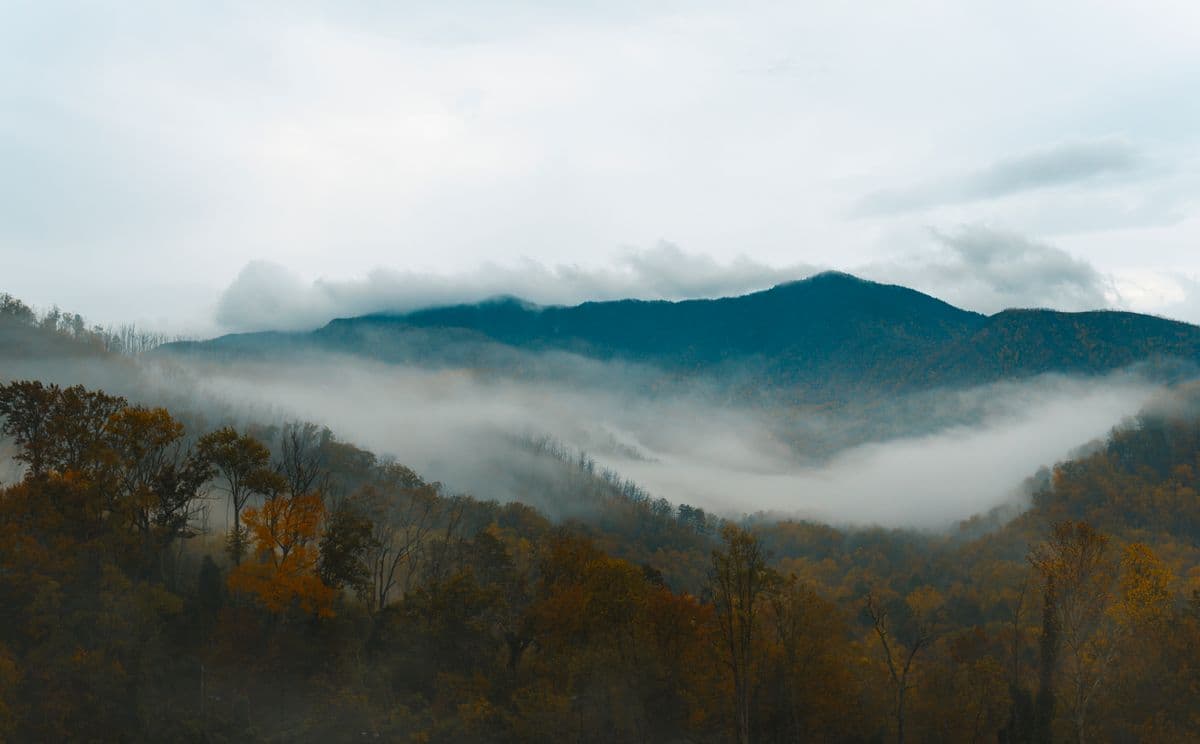
Vasota Fort Trek from Pune & MumbaiA remote vasota fort trek deep in the Koyna Wildlife Sanctuary, with pune and mumbai pickup and drop, a boat ride across the Shivsagar reservoir, and summit views over the Sahyadri hinterland.
Starting from
₹2,099
 Moderate
Maharashtra · 1D/0N
Next departure · 1 Nov 2026
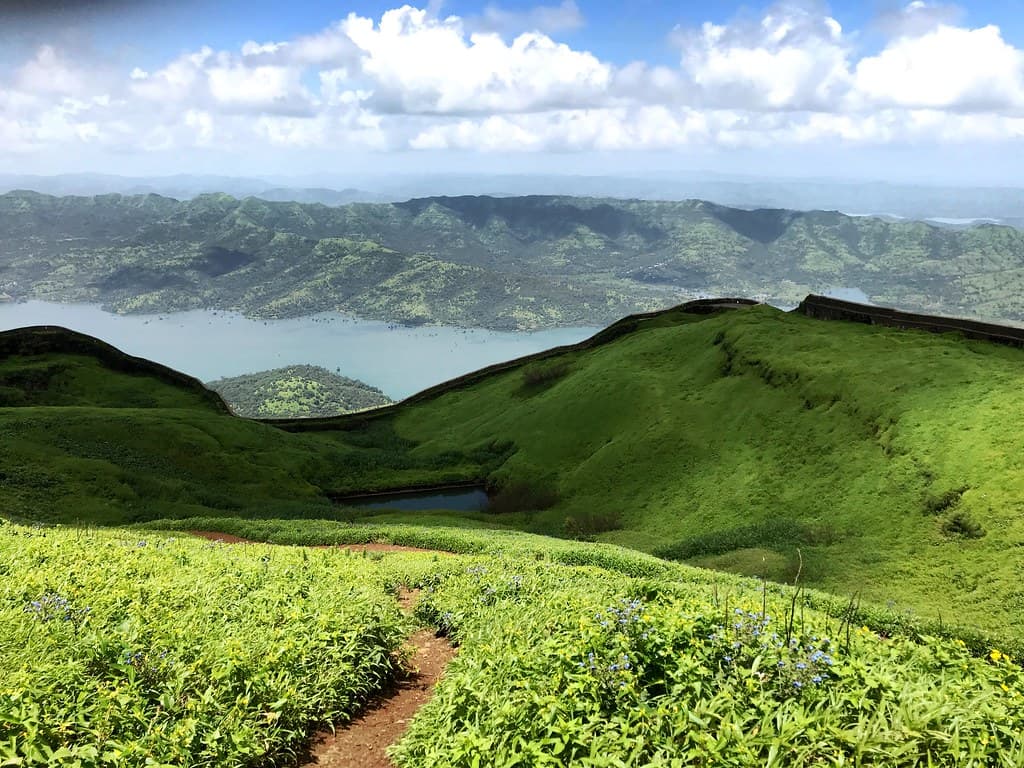
Torna Fort TrekTorna Fort Trek from Mumbai — conquer Pune's highest fort at 1,403 m, the very first won by Shivaji Maharaj in 1646, with a massive plateau of bastions, temples, and water reservoirs.
Starting from
₹1,999
 Easy
EasyMaharashtra · 1D/0N
Next departure · 28 Nov 2026
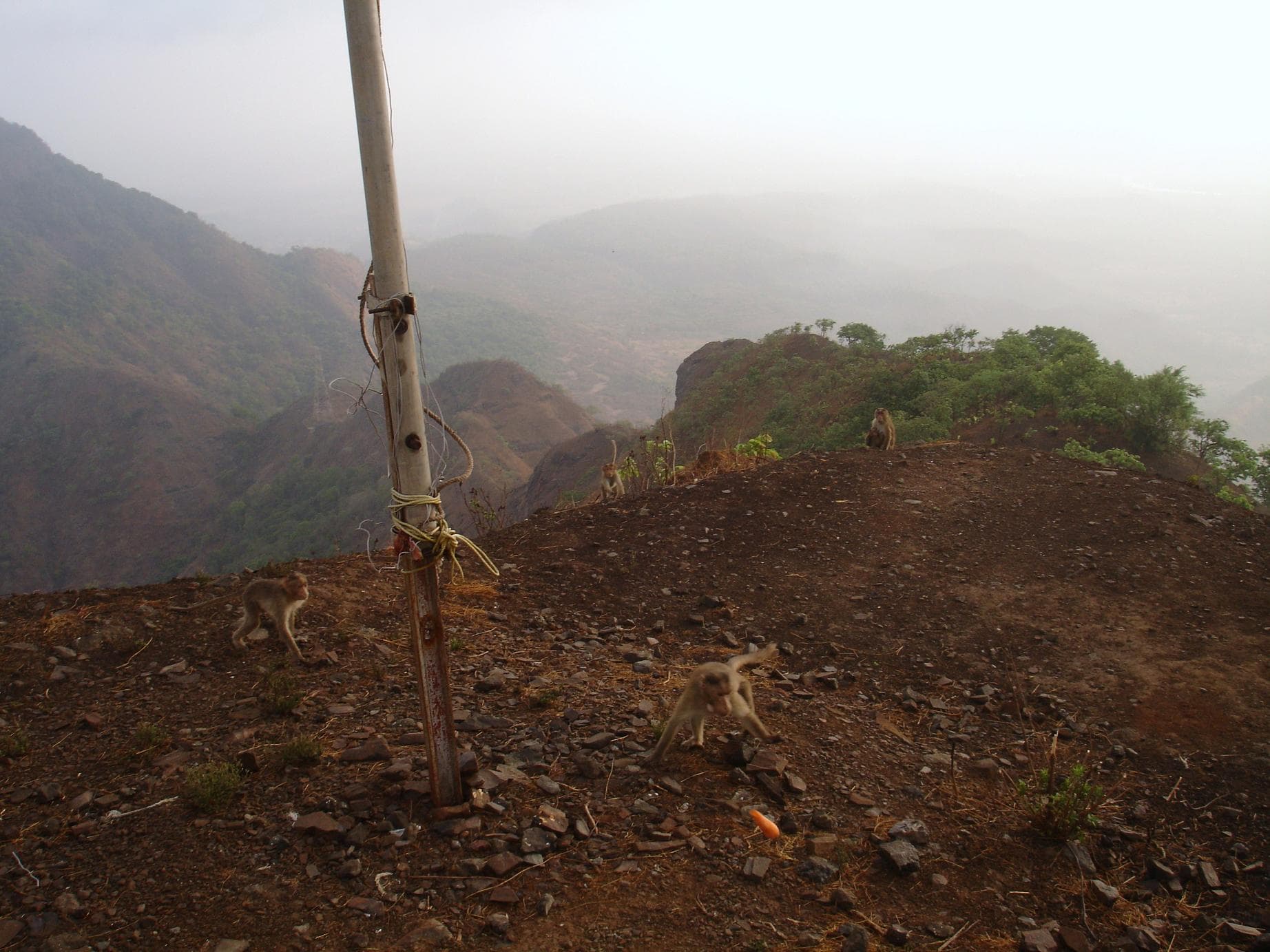
Peb Fort (Vikatgad) TrekVikatgad Trek from Mumbai — a short, beginner-friendly climb to Peb Fort near Panvel, with a waterfall-lined trail, perfect for a quick monsoon weekend escape.
Starting from
₹999
More trips in Maharashtra
 Easy
EasyMaharashtra · 4D/3N
Next departure · 17 Oct 2026
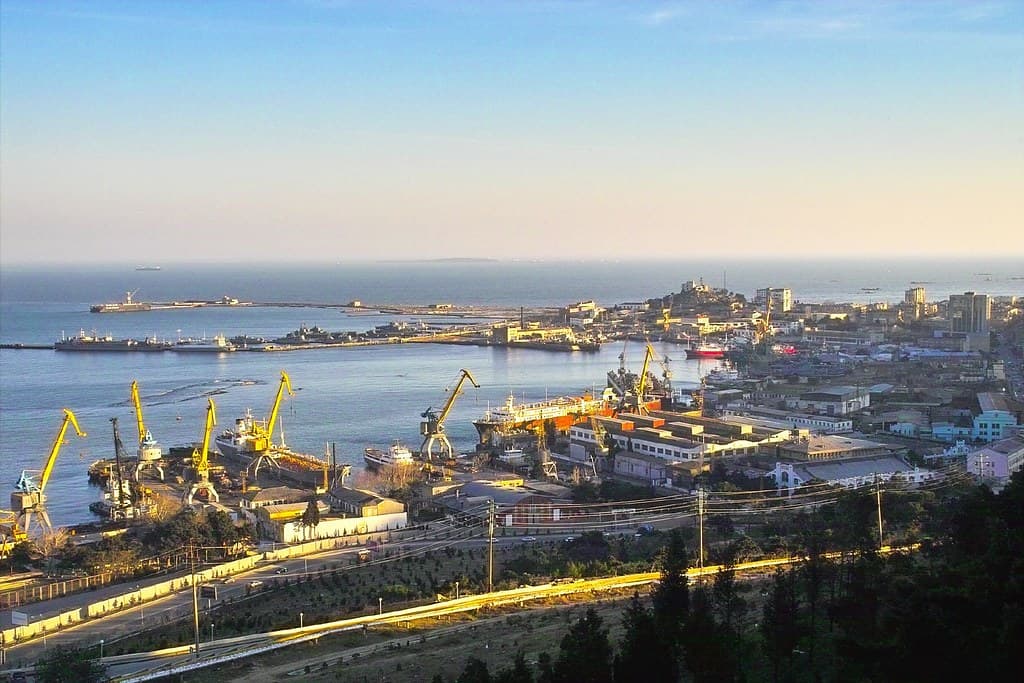
Baku TripBaku Trip from Mumbai/Pune — a 4-day Azerbaijan escape exploring the Flame Towers, the walled Old City of Icherisheher and the Gobustan petroglyphs.
Starting from
₹34,999
 Moderate
Maharashtra · 2D/1N
Next departure · 3 Oct 2026
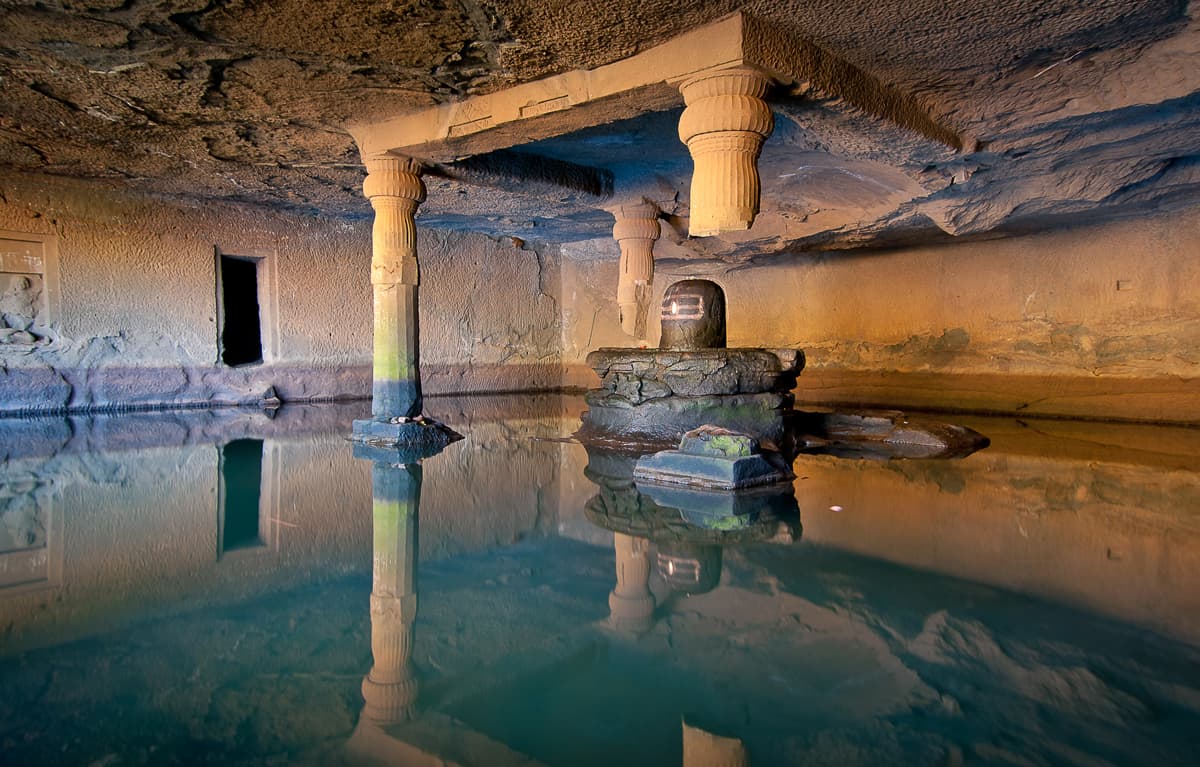
Harishchandragad TrekThe Harishchandragad Trek from Mumbai — ancient caves with carved figures of Lord Vishnu and the Saptamatrikas (6th century AD), rock-cut cisterns that never run dry, and a stunning sunrise over the Ajoba and Kulang peaks.
Starting from
₹2,499
 Easy
EasyMaharashtra · 2D/1N
Next departure · 21 Nov 2026
Bhandardara Weekend TripThe Bhandardara Weekend Trip from Mumbai is a lakeside escape with night stargazing under minimal light pollution, plus optional Kalsubai Peak or Ratangad Fort treks for adventure seekers.
Starting from
₹2,999