
Guides · 8 min read
Jawai Leopard Hills Safari: The Complete Guide (2026)
By Mumbai Weekenders · 29 July 2026
If you are looking for the 'Jawai Leopard Hills Safari', you have found one of India's most remarkable wildlife experiences — not inside a national park, but in an open landscape of ancient granite hillocks where leopards roam freely alongside Rabari shepherds and their livestock. This complete guide covers everything: where Jawai is, how to reach it from Mumbai, the best time for leopard sightings, what the safari experience is like, where to stay, and how to book. For live dates and pricing, see the Jawai Leopard Hills Safari trip page.
Where is Jawai and why is it special for leopard sightings
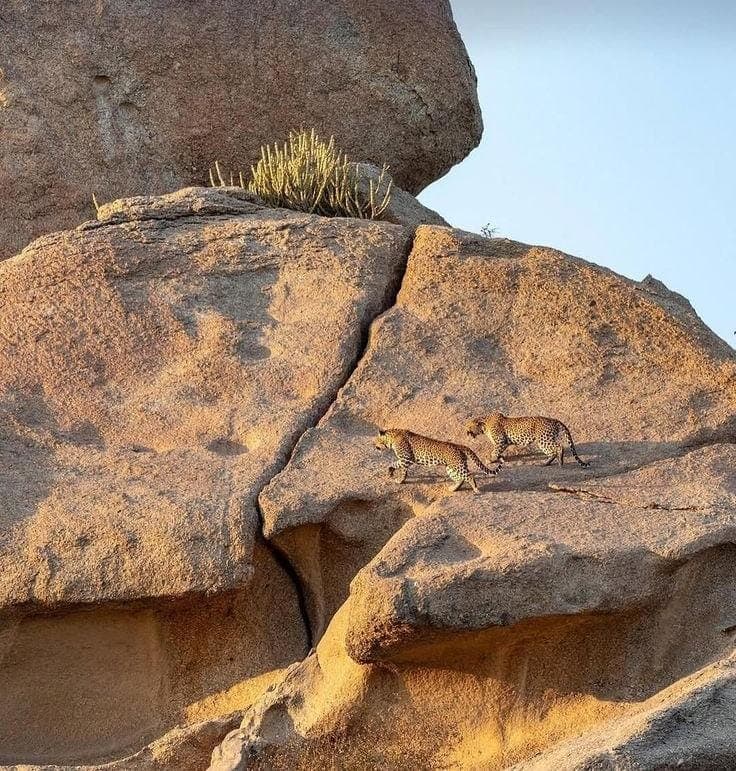
Jawai is a cluster of villages in the Pali district of southern Rajasthan, about 150 km from Jodhpur and 180 km from Udaipur. What makes it extraordinary is that leopards here are not confined to a fenced reserve — they live in the granite hillocks that dot the agricultural landscape, sharing their territory with the Rabari shepherd community. Unlike Ranthambore or Jhalana where leopards live inside forest boundaries, Jawai's leopards are free-ranging. The giant rounded boulders, golden grasslands, and the Jawai Bandh reservoir create a stunning backdrop for wildlife photography that feels more like an African savannah than Rajasthan.
How to reach Jawai from Mumbai
The most convenient way from Mumbai is the overnight train to Jawai Bandh railway station (station code: JWB). Trains like the Mumbai–Jodhpur Suryanagari Express and the Bandra–Jodhpur Superfast reach Jawai Bandh in about 12-13 hours. From the station, your homestay or operator will arrange pickup — most stays are just 15-30 minutes away. Alternatively, fly to Udaipur (1.5 hours from Mumbai) and drive 3 hours to Jawai, or fly to Jodhpur and drive 2.5 hours. For a road trip, it is about 750 km from Mumbai via the NH48 — doable in a long day with two drivers.
Best time for the Jawai Leopard Hills Safari
The best time for Jawai is October to March. October is especially beautiful — the post-monsoon landscape is still green, the light is clear and golden, and leopards are active. The mornings and evenings are pleasant with daytime temperatures around 30°C. November to February offers cooler weather (mornings can be 10-15°C, ideal for safaris). March warms up but sightings remain excellent. Summer (April-June) is very hot but leopards are still visible near water sources. Monsoon (July-September) sees fewer visitors but the landscape is stunningly green — just be prepared for rain interrupting some safari drives.
What the safari experience is like
Safaris at Jawai are conducted in open 4x4 gypsies, typically with 4-6 guests per vehicle and a naturalist guide who knows the resident leopards by name and territory. The search takes you through a landscape of giant granite boulders, across seasonal streams, and along the fringes of villages where leopards are often seen resting on rocky outcrops. Leopards at Jawai are notably relaxed around vehicles — generations of them have grown up seeing gypsies pass through, so sightings are often close and unhurried. Each territory — Bera, Jojawar, Kumbalgarh, Sadri — has its own resident leopards, and experienced guides rotate zones to give you the best chance. Expect to see leopards on 90%+ of drives during the season, often multiple individuals.
Where to stay in Jawai
Accommodation at Jawai ranges from heritage homestays to luxury tented camps. Many of the best stays are in converted old havelis or farmhouses run by local families, offering authentic Rajasthani hospitality and cuisine. Some camps are set right at the edge of the leopard territory, where you can hear langurs alarm-calling at dawn — the surest sign a leopard is nearby. Most packages include all meals with freshly cooked dal, baati, and sabzi. For the full experience, choose a stay that offers both comfortable rooms and direct access to the safari zones without long drives.
Jawai Leopard Hills Safari itinerary (3D/2N)
A typical Jawai safari is 3 days and 2 nights. Day one: arrive by afternoon, check in, and head out for the evening safari when leopards become active. Day two: a sunrise safari followed by breakfast, a midday rest, and then a second evening safari in a different zone. Between safaris you can visit the Jawai Bandh Dam for crocodile and bird sightings, or walk through a Rabari hamlet. Day three: one final morning safari, breakfast, and departure. The pace is relaxed with plenty of time for photography and soaking in the landscape.
Photography tips for Jawai
Jawai is a photographer's dream. Bring a camera with a zoom lens of at least 200mm (300mm is ideal). The best light is the golden hour — sunrise over the granite hills and sunset casting warm light on the boulders. Leopards are often silhouetted against the sky on rocky outcrops, so expose for the highlights. A pair of binoculars is useful for spotting leopards lazing in the distance. Don't forget a wide-angle lens too — the landscape itself is worth capturing, especially with the Jawai Bandh reservoir in the background.
What's included and what to carry
Most Jawai safari packages include all jeep safaris with naturalist guide, accommodation for 2 nights, all meals (breakfast, lunch, dinner), forest entry and permit fees, and station transfers from Jawai Bandh. Excluded are transport to/from Jawai (train or flight), camera fees for professional equipment, and personal expenses. Carry neutral-coloured clothing, a hat and sunglasses, sunscreen, a camera with zoom lens, binoculars, and a light jacket for the chilly morning and evening safaris. Avoid bright colours that could disturb wildlife or stand out in the landscape.
Nearby attractions
Jawai is well-positioned for combining with other Rajasthan destinations. The Ranakpur Jain Temple with its stunning marble architecture is about an hour away. Kumbalgarh Fort, a UNESCO World Heritage site, is also nearby. The historic city of Jodhpur with its Mehrangarh Fort and blue old town is 2.5 hours away. Many visitors combine 3 days at Jawai with 2 days in Jodhpur for a complete Rajasthan wildlife and heritage trip.
Book your Jawai Leopard Hills Safari
Whether you are a wildlife photographer, a nature lover, or a family looking for an unforgettable experience, the Jawai Leopard Hills Safari from Mumbai is one of India's most rewarding wildlife encounters. Check the live departure dates on the trip page and book online — October and November weekend batches fill fast, so reserve early.
Frequently Asked Questions
What makes Jawai different from other leopard safari destinations?+
Unlike Ranthambore or Jhalana where leopards are in enclosed forest areas, Jawai's leopards roam freely among the granite hillocks and live alongside the Rabari shepherd community. You can spot leopards against the backdrop of ancient rock formations with no fences or boundaries — it is one of the best places in India for wild leopard sightings in their natural habitat.
What is the best time to visit Jawai for leopard sightings?+
October to March is the best time. October offers pleasant post-monsoon weather with the hills still green, making for excellent photography conditions. Leopards are active year-round, but summer (April-June) gets very hot, and the monsoon (July-September) sees fewer visitors though the landscape is stunning.
How do I reach Jawai from Mumbai?+
The nearest railway station is Jawai Bandh (station code: JWB), about 150 km from Jodhpur. Direct overnight trains from Mumbai like the Mumbai–Jodhwar Suryanagari Express make it convenient. Alternatively, fly to Udaipur (about 180 km from Jawai) and drive, or take a direct train to Falna or Ranakpur Road stations.
What is the typical safari experience like at Jawai?+
Safaris are done in open 4x4 gypsies with a naturalist guide who knows the terrain and leopard territories intimately. The landscape is stunning — massive granite boulders and hillocks with shepherds grazing their flocks and leopards lounging on the rocks above. The sightings are often up-close and the light at sunrise and sunset over the hills is spectacular.
Is the Jawai Leopard Hills Safari suitable for families and children?+
Absolutely. The safari is easy — no trekking involved, just drives through the scenic landscape. Children above 6 years enjoy it immensely, especially spotting leopards on the rocks. The homestays and tents in Jawai are family-friendly, and the local Rabari culture is fascinating for all ages.
More from the blog
Guides · 8 min read
Jodhpur Jaisalmer Trip from Mumbai: The Complete Guide (2026)
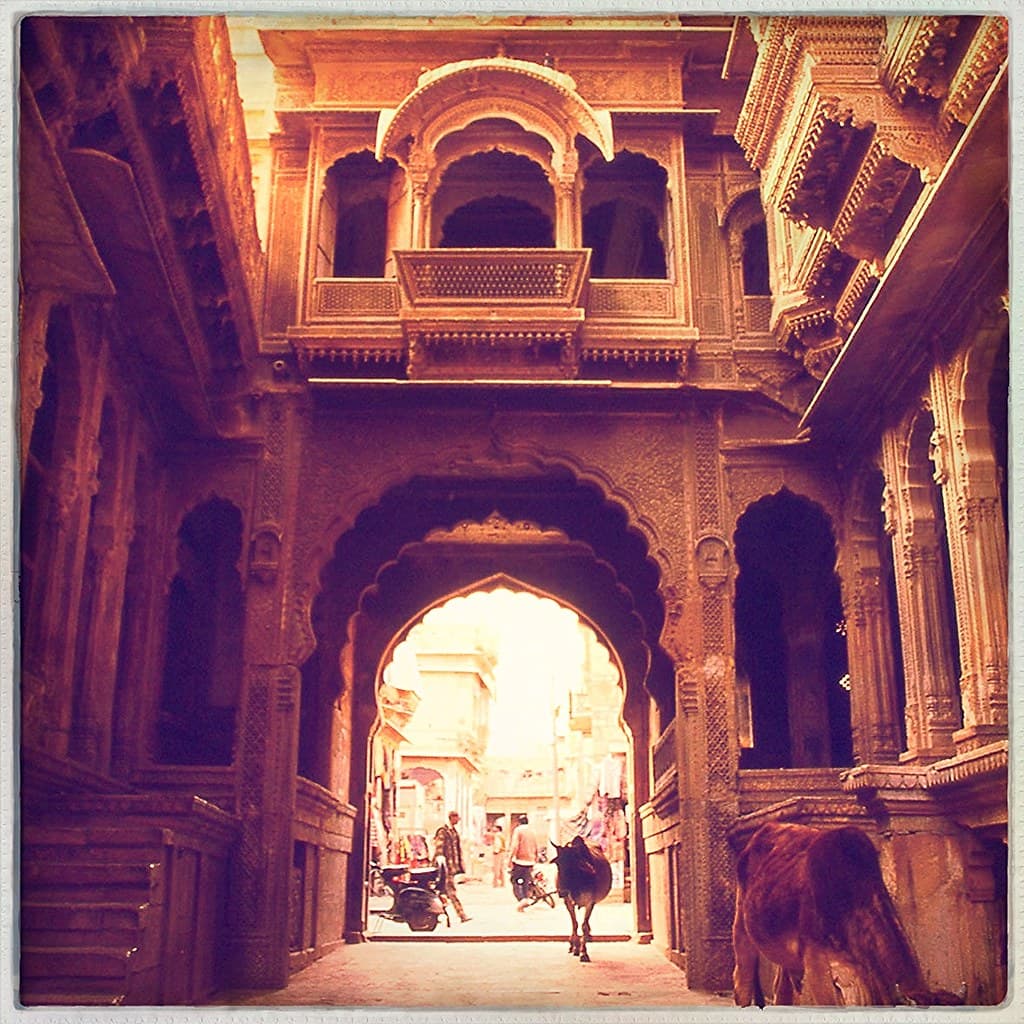
Plan the ultimate Jodhpur Jaisalmer trip from Mumbai — how to reach both cities, best time to visit, top attractions from Mehrangarh Fort to Sam Sand Dunes, a detailed 5-day itinerary, budget breakdown, and what to pack for the Rajasthan desert experience.
By Mumbai Weekenders · 29 Jul 2026
Guides · 8 min read
Rann of Kutch Dholavira Trip from Mumbai: The Complete Guide (2026)
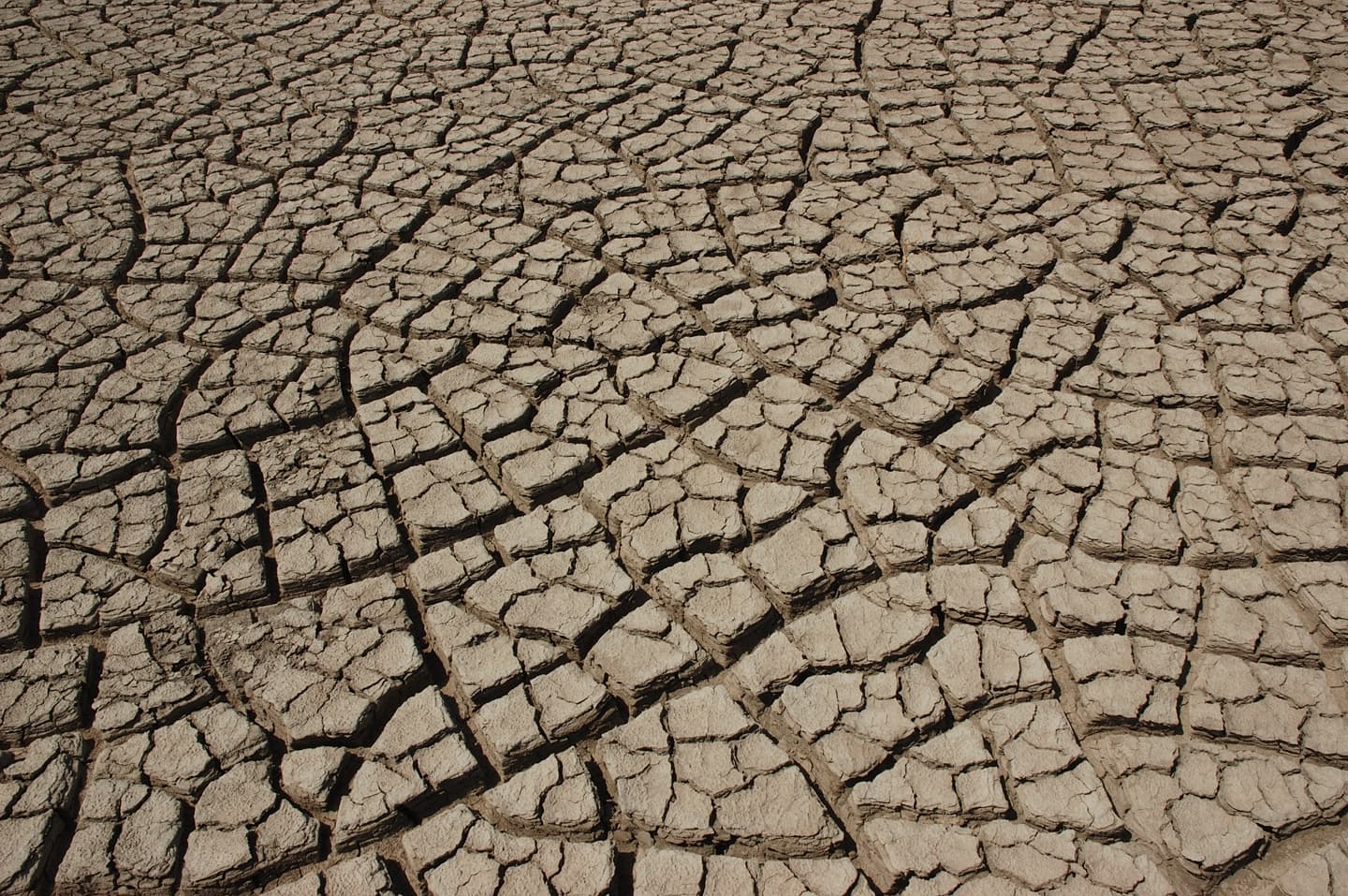
Plan the ultimate Rann of Kutch and Dholavira trip from Mumbai — how to reach Bhuj, best time to visit, detailed 4-day itinerary covering the Harappan ruins and the white salt desert, budget breakdown, and what to pack.
By Mumbai Weekenders · 29 Jul 2026
Guides · 8 min read
Best Road Trips From Mumbai (2026): Scenic Routes Guide
The best road trips from Mumbai — Hampi, Jodhpur-Jaisalmer, Rann of Kutch, Lonar & Gandikota — with distances, best season and guided options.
By Mumbai Weekenders · 31 Jul 2026